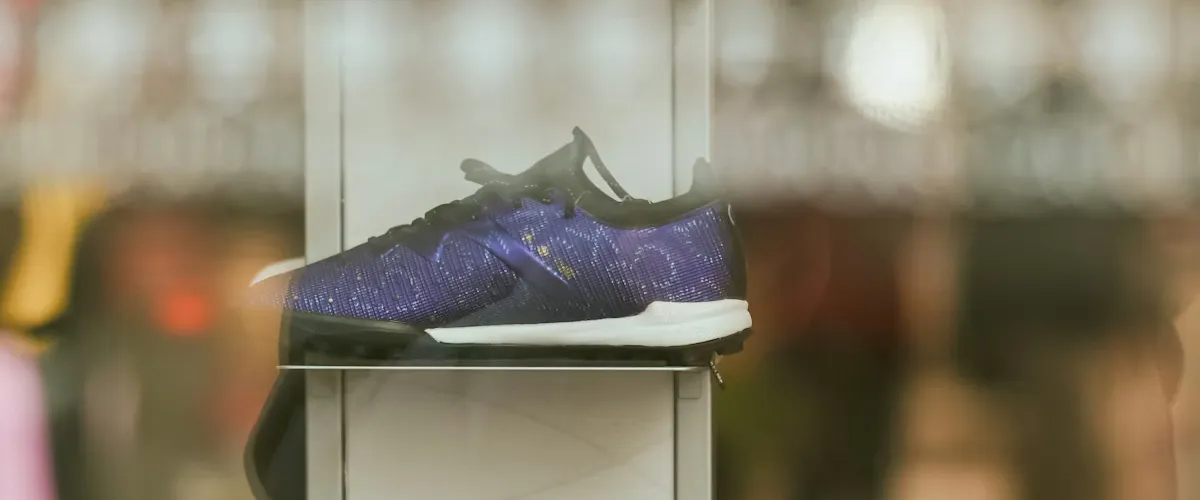
Walk into any online retail space in 2026 and you will encounter a reality that would have been unrecognizable fifteen years ago. Products do not simply appear on shelves and stay there. They drop. They sell out instantly. They restock weeks later, only to vanish again. This is drop culture, and it has fundamentally rewired how brands sell, how consumers buy, and how the secondary market thrives.
Understanding drop culture is not optional for anyone who wants to secure limited products at retail price. It is the operating system of modern hype retail, and once you understand how it works, you can navigate it far more effectively.
What Is Drop Culture?
Drop culture is a retail strategy built on three pillars: scarcity, surprise, and urgency. Instead of releasing products in large quantities with extended availability, brands release limited batches at specific, often unpredictable times. The result is a purchasing environment where demand drastically outstrips supply, products sell out in seconds, and the resale market fills the gap at a premium.
The term “drop” originally referred to streetwear releases. When Supreme opened its Lafayette Street store in New York in 1994, they released new products every Thursday in small quantities. You showed up, you waited in line, and when it was gone, it was gone. That model has since scaled to global online retail across every product category imaginable.
Key Characteristics of Drop Culture
- Limited quantity: Deliberate production constraints to create scarcity
- Fixed timing: Products release at a specific date and time, often announced days or hours in advance
- No restock guarantee: Once a drop sells out, there is no guarantee of additional inventory
- Community hype: Social media and influencer marketing build anticipation before the release
- Secondary market premium: Products immediately appear on resale platforms at 2-10x retail price
The History of Drop Culture
Phase 1: Streetwear Origins (1994-2010)
Drop culture began with streetwear brands like Supreme, BAPE, and Stussy. These companies recognized that limited supply created outsized demand, turning otherwise ordinary items (a cotton t-shirt with a box logo) into coveted status symbols. The model worked because it created genuine exclusivity in a world of mass production.
During this era, drops were primarily physical. You had to be at the store, in the right city, at the right time. Geographic exclusivity added another layer of scarcity that made products feel even more special.
Phase 2: Nike and the Sneaker Boom (2011-2017)
Nike transformed drop culture from a niche streetwear phenomenon into a mainstream retail strategy. The launch of the SNKRS app in 2015 was the inflection point. SNKRS brought the drop model to millions of consumers worldwide, with releases happening exclusively through the app at scheduled times.
Key Nike innovations during this period:
| Innovation | Year | Impact |
|---|---|---|
| Nike+ SNKRS App launch | 2015 | Centralized drop culture onto a single platform |
| LEX (Local Entry Experience) | 2016 | Location-based access to drops |
| Exclusive Access | 2017 | Algorithm-selected users got early purchase windows |
| SNKRS Pass | 2016 | Geofenced in-store pickup tied to app reservations |
The sneaker resale market exploded alongside these developments. StockX launched in 2016 and validated sneaker resale as a legitimate marketplace. GOAT followed. Suddenly, sneakers were not just fashion items; they were alternative investments, and every new drop was a speculative opportunity.
Phase 3: Cross-Industry Adoption (2018-2022)
Drop culture escaped sneakers and streetwear. By 2020, the drop model was everywhere:
- Gaming consoles: PS5 and Xbox Series X launches created mass-scale drop events
- GPUs: NVIDIA and AMD releases became drops by default due to supply constraints and crypto mining demand
- Trading cards: Pokemon TCG experienced a resurgence driven by drop-style scarcity
- Luxury fashion: Balenciaga, Gucci, and Louis Vuitton adopted limited-edition drop strategies
- Consumer electronics: Apple product launches increasingly resembled drops, with constrained supply at launch
- Collectibles: LEGO, Hot Wheels, and Funko Pop limited editions used drop mechanics
The pandemic accelerated everything. When physical retail shut down, online drops became the only game in town. Supply chains broke. Demand for at-home entertainment surged. And scalper bots had a field day.
Phase 4: Maturation and Pushback (2023-Present)
The current era is defined by tension. Consumers are tired of the frustration. Retailers are investing in anti-bot systems to level the playing field. Legislation like the BOTS Act is being extended to cover retail goods. But brands continue to use artificial scarcity because it works financially.
Nike’s revenue per sneaker on limited releases dramatically exceeds their general release margins, even before accounting for the brand equity that scarcity generates. As long as the economics favor drops, brands will keep doing them.
Why Brands Love Drop Culture
The business case for drop culture is overwhelmingly positive for brands. Here is why it persists despite consumer frustration:
1. Guaranteed Sell-Through
When you produce 50,000 units of a product with 500,000 people who want it, you sell out every single time. There is no overstock. There is no clearance rack. There is no markdown. Every unit moves at full price. Compare this to traditional retail, where brands routinely produce more than the market absorbs and end up discounting 20-40% of inventory.
2. Marketing Through Scarcity
A sold-out product generates more social media engagement than an available one. When someone posts a W (win) on a SNKRS drop, it tells their entire network that the product is desirable and hard to get. When someone posts an L (loss), it reinforces the same message. Either way, the brand wins. Brands spend less on traditional advertising because the drop model makes the product its own marketing engine.
3. Data Collection
Drop events drive massive app downloads and account registrations. Nike SNKRS has over 60 million registered users globally. Every interaction generates data about consumer preferences, purchasing behavior, and demographic information that fuels product development and targeted marketing.
4. Brand Equity Protection
Luxury brands figured out decades ago that exclusivity drives perceived value. Drop culture applies this same principle to mass-market products. A Jordan 1 Retro costs roughly the same to manufacture as a standard Nike Air Force 1, but the limited-release model allows it to retail at a premium and resell at an even larger premium, pulling the entire brand’s perceived value upward.
The Consumer Experience
For the average consumer, drop culture is largely a negative experience. The numbers tell the story:
| Metric | Value |
|---|---|
| Average success rate on SNKRS draws | 3-8% |
| Average time a hyped sneaker stays in stock (FCFS) | Under 10 seconds |
| Percentage of limited sneakers purchased by bots (estimated) | 20-40% |
| Average resale markup on limited releases | 150-300% |
| Percentage of consumers who have never hit on a SNKRS draw | ~60% |
Consumers who want to succeed in drop culture need to approach it strategically. If you are new to this, our beginner’s guide to restocking covers the fundamentals, from setting up alerts to understanding raffle systems.
The Emotional Cycle
Drop culture creates a predictable emotional pattern that keeps consumers engaged:
- Anticipation: Leak images and release dates create weeks of buildup
- Preparation: Consumers set alarms, clear schedules, and prepare payment methods
- The Drop: A few seconds of intense activity followed by either euphoria or disappointment
- Post-Drop Processing: Winners celebrate on social media; losers debate paying resale
- Reset: The next drop is announced, and the cycle begins again
This cycle is psychologically similar to gambling mechanics, which is one reason drop culture has faced increasing scrutiny from consumer advocacy groups.
How Drop Culture Fuels the Resale Market
The relationship between drop culture and the resale market is symbiotic. Limited supply creates the price gap that makes resale profitable. Resale profitability attracts scalpers and bots. Bots reduce legitimate consumers’ chances of buying at retail. Frustrated consumers buy at resale. Resale demand validates the brand’s scarcity strategy.
The secondary market for drop culture products is massive. StockX alone processed over $4 billion in transactions in 2024. Add GOAT, eBay, Mercari, and informal channels, and the total secondary market for hype products likely exceeds $10 billion annually.
For a detailed look at the current secondary market landscape, read our analysis of the state of restocking in 2026.
Who Profits From Resale?
The resale ecosystem involves multiple layers of participants:
- Individual resellers: Buy 1-3 pairs and flip for modest profit
- Professional scalpers: Use bots and cook groups to buy in volume
- Resale platforms: StockX, GOAT, and eBay take 8-15% commission on every sale
- Cook group operators: Charge $30-80/month for insider information
- Bot developers: Sell or rent automated checkout software for $50-300/month
- Proxy providers: Sell residential IP addresses to bot operators
The irony is that many of these secondary market participants exist only because brands deliberately constrain supply. If Nike produced enough Jordan 1 Retros to meet demand, the entire resale ecosystem around that product would collapse overnight.
Drop Culture Across Categories in 2026
Sneakers
Sneakers remain ground zero for drop culture. Nike SNKRS, Adidas CONFIRMED, and New Balance lead the space. The format has standardized around two models:
- Draw/Raffle: Users enter during a window and winners are selected randomly (or algorithmically)
- FCFS (First Come, First Served): Products go live at a set time and sell out based on checkout speed
If you are targeting Nike specifically, our SNKRS restock guide breaks down the strategies that actually work.
Electronics
Console and GPU drops have become less extreme as supply chains have stabilized. The PS5 is now widely available at retail. The RTX 5000 series faced initial shortages but has normalized. The Nintendo Switch 2 remains the most constrained electronics product, with demand still outpacing supply months after launch.
Collectibles and Trading Cards
Pokemon cards, which experienced a genuine crisis in 2021-2022, have largely stabilized. LEGO limited editions and Hot Wheels specials still follow the drop model but with less scalper intensity than during the peak.
Fashion and Luxury
High fashion continues to embrace drops. Collaborations between luxury houses and streetwear brands (Louis Vuitton x Nike, Tiffany x Nike) create some of the highest-markup resale products in any category.
How to Navigate Drop Culture Successfully
If you are going to participate in drop culture, here are the strategies that give you the best chance:
- Enter every raffle you can. Volume is the only way to overcome low individual odds on draw-based releases.
- Use multiple legitimate retail channels. A sneaker may drop on SNKRS, Foot Locker, JD Sports, and boutiques simultaneously. Enter everywhere.
- Set up restock alerts. Tools and Discord servers for restock alerts give you a competitive advantage on FCFS drops.
- Understand retailer patterns. Different retailers restock at predictable times and days. Learn the patterns for your target retailers.
- Be patient. Many “limited” products receive restocks weeks or months later. The first drop is the hardest to hit.
- Never pay resale on impulse. Resale prices almost always decline over time as supply catches up to demand.
The Future of Drop Culture
Drop culture is not going away, but it is evolving. Several trends will shape its next phase:
- AI-powered personalization: Brands are experimenting with using purchase history and engagement data to determine who gets access to drops, rewarding loyal customers over resellers
- Blockchain verification: Digital product passports and NFT-based authenticity certificates are being tested to combat counterfeits in the resale market
- Regulatory pressure: Growing legislative interest in anti-bot and anti-scalping laws may force brands to adjust their scarcity strategies
- Consumer fatigue: There are early signs that some consumers are simply opting out of the hype cycle, which could force brands to recalibrate
The fundamental tension remains: brands profit from scarcity, consumers suffer from it, and the secondary market thrives in the gap between supply and demand. Until that equation changes, drop culture will continue to define how limited products reach the market.
FAQ
What does “drop” mean in retail?
A drop refers to a product release that happens at a specific date and time, typically in limited quantities. The term originated in streetwear culture where brands like Supreme would “drop” new products weekly. Today it applies to any planned limited release across categories including sneakers, electronics, trading cards, and luxury goods.
Why do brands intentionally limit supply?
Brands limit supply because scarcity drives perceived value, guarantees sell-through at full price, generates free social media marketing, and protects brand equity. The economics strongly favor producing less than demand because it eliminates the risk of overstock and discounting while creating a hype cycle that boosts the entire brand.
How can I improve my chances on drop day?
The most effective strategies are entering every available raffle, using multiple retail channels simultaneously, setting up real-time restock alerts through apps and Discord servers, having your payment information pre-loaded on all relevant platforms, and being patient enough to wait for restocks rather than paying resale prices immediately after a sellout.
Is drop culture the same as restocking?
No. Drop culture refers to the brand strategy of releasing limited products at specific times. Restocking refers to the consumer practice of monitoring when out-of-stock products become available again and purchasing them at retail price. Restocking exists as a response to drop culture and the scarcity it creates.
Are drops rigged or truly random?
It depends on the platform. Nike SNKRS draws use an algorithm that factors in account history, engagement, and other undisclosed variables, so they are not purely random. Some retailers use true random selection. First-come-first-served drops are speed-based, which favors bots and fast internet connections. No major retailer has been caught outright rigging drops, but the lack of transparency in selection algorithms is a legitimate concern.