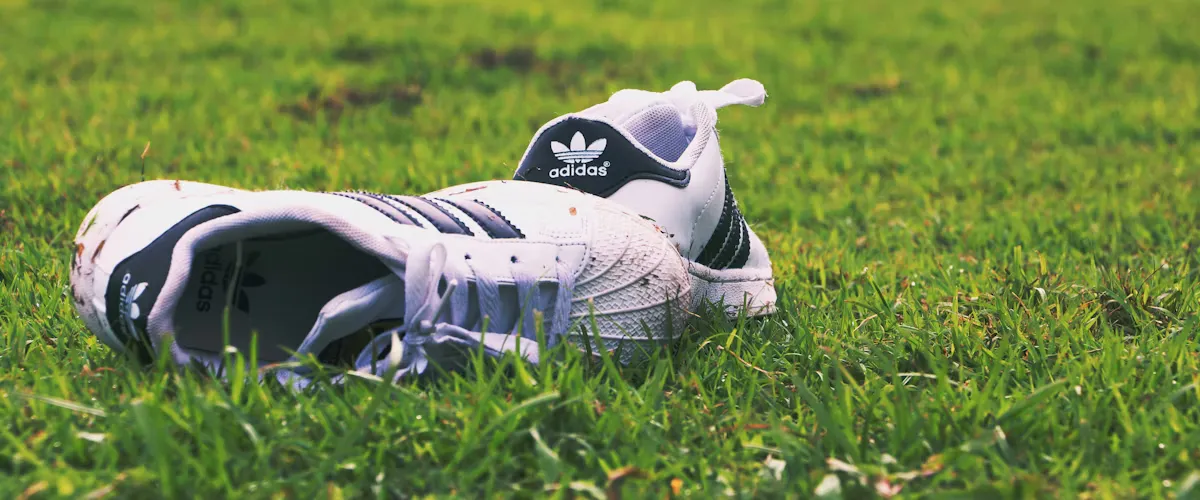
You spent hours monitoring alerts, competing through queues, and fighting for a checkout to secure a pair of sneakers at retail. Now that you have them, the work is not over. How you clean, store, and protect your sneakers determines whether they hold their value for years or deteriorate within months. Whether you plan to wear them daily, display them in your collection, or hold them for resale, proper sneaker care is the difference between a pristine pair and a beater.
Why Sneaker Care Matters
Sneakers are not just footwear. For many restockers, they are investments. A pair of Nike Dunk Lows that you bought at retail for $115 could be worth $180 or more on the resale market, but only if they are in excellent condition. Creased toe boxes, yellowed soles, dirty uppers, and musty odors all reduce resale value significantly.
Here is how condition affects resale prices:
| Condition | Description | Resale Price Impact |
|---|---|---|
| Deadstock (DS) | Brand new, never worn, original packaging | Full resale value |
| VNDS (Very Near Deadstock) | Worn once or twice, no visible wear | 85-95% of DS value |
| Lightly Used | Minor creasing, clean, no sole drag | 65-80% of DS value |
| Used | Visible creasing, some dirt, minor sole wear | 40-60% of DS value |
| Heavily Used | Major creasing, dirty, significant sole wear | 15-35% of DS value |
| Beat | Damaged, stained, structural issues | Under 15% of DS value |
The jump from “Used” to “VNDS” can mean $50 to $100 or more on popular models. Proper care keeps your sneakers in the top tiers of this table.
Cleaning Your Sneakers
Regular cleaning prevents dirt from permanently staining materials and keeps your sneakers looking fresh. The right cleaning method depends on the material.
What You Need
Before cleaning any pair, gather these supplies:
- Soft-bristled brush (a dedicated sneaker brush or a clean soft toothbrush)
- Microfiber towels (at least two)
- Bowl of lukewarm water (never hot, which can warp glue)
- Sneaker cleaning solution or mild dish soap (a few drops)
- Magic eraser (melamine sponge) for midsoles
- Suede brush and eraser (for suede and nubuck only)
- Cotton swabs for small details
- Old newspaper or shoe trees for drying
Cleaning by Material
Different sneaker materials require different cleaning approaches. Using the wrong technique can damage the shoe.
Leather (Nike Dunks, Air Force 1s, Jordan 1s)
Leather is the most forgiving material to clean:
- Remove the laces and set them aside.
- Knock the soles together to remove loose dirt and debris.
- Dip the soft-bristled brush in soapy water and gently scrub the upper in circular motions.
- Wipe away soap residue with a damp microfiber towel.
- Dry with a second clean, dry microfiber towel.
- Allow the shoes to air dry at room temperature away from direct sunlight and heat.
For scuffs on leather, a magic eraser with light pressure often removes marks without damaging the finish. Test on an inconspicuous area first.
Mesh and Knit (Ultraboost, Yeezy 350, Nike Flyknit)
Mesh and knit materials are more delicate and absorb water easily:
- Remove laces and insoles.
- Use a dry brush to remove loose dirt first.
- Apply a small amount of cleaning solution to the brush, not directly to the shoe.
- Scrub gently with the grain of the knit, not against it.
- Blot (do not rub) with a damp microfiber towel to remove soap.
- Stuff with paper towels to absorb moisture and maintain shape.
- Air dry for 24 to 48 hours. Never use a hairdryer or place near a heat source.
Suede and Nubuck (New Balance 550 suede panels, Dunk High suede)
Suede requires special care. Water can stain suede permanently if not handled correctly:
- Use a dry suede brush to restore the nap (the fuzzy texture) by brushing in one direction.
- For light stains, use a suede eraser, rubbing gently over the stain.
- For stubborn stains, lightly dampen (not soak) a cloth and blot the stain. Then brush with the suede brush once dry.
- Never submerge suede in water.
- Apply a suede protector spray after cleaning to prevent future stains.
Midsoles and Outsoles
The white midsole is often the first area to show dirt:
- Use a magic eraser dampened with water to scrub the midsole.
- For textured midsoles (like Boost), use a soft brush with soapy water instead.
- Clean the outsole with a stiff brush and soapy water over a sink.
- For yellowed soles, commercial sole restoration products (like Sole Bright or SalonCare 40) can reverse oxidation, but this is an advanced technique.
Cleaning Laces
Dirty laces make even clean sneakers look neglected:
- Remove laces from the shoes.
- Place laces in a bowl of warm water with a few drops of laundry detergent or OxiClean.
- Let them soak for 30 minutes.
- Rub laces together gently to remove embedded dirt.
- Rinse thoroughly with clean water.
- Lay flat on a towel to air dry.
For white laces that have turned gray or yellow, add a tablespoon of baking soda to the soak. For severely stained laces, replacement laces are inexpensive and can instantly refresh the look of a shoe.
Protecting Your Sneakers
Prevention is easier than cleaning. Applying protectants before wearing your sneakers significantly reduces the effort required to keep them clean.
Spray-On Protectants
Water and stain repellent sprays create an invisible barrier on the shoe’s surface that causes liquids to bead up and roll off rather than soaking into the material.
Recommended protectant sprays:
| Product | Best For | Duration | Price |
|---|---|---|---|
| Crep Protect | All materials | 2-3 weeks per application | $15 |
| Reshoevn8r | Leather, mesh | 3-4 weeks | $12 |
| Jason Markk Repel | Suede, nubuck, canvas | 2-3 weeks | $17 |
| Scotchgard | All materials (budget option) | 2-3 weeks | $8 |
Application tips:
- Clean the shoes first. Protectant sprays seal in whatever is on the surface, including dirt.
- Spray in a well-ventilated area or outdoors.
- Hold the can 6 to 8 inches from the shoe and apply in even, sweeping passes.
- Apply two to three light coats rather than one heavy coat.
- Allow each coat to dry for 10 minutes before applying the next.
- Reapply every two to three weeks for shoes you wear regularly.
Sole Protectors
Clear adhesive sole protectors shield the outsole from wear, keeping it pristine for display or resale. They are especially valuable for shoes with icy (translucent) soles that yellow with wear.
Sole protectors cost $10 to $25 per pair and are applied by peeling the backing and pressing the adhesive film onto the clean outsole. Trim any excess with scissors. They do slightly change the traction feel, so they are best for casual wear rather than sports.
Crease Protectors and Shoe Shields
Toe box creasing is one of the most common complaints among sneaker enthusiasts. Crease protectors (plastic or foam inserts placed inside the toe box) reduce creasing by reinforcing the shape of the shoe during wear.
Pros and cons of crease protectors:
- Pros: Significantly reduce toe box creasing. Inexpensive ($5-10 per pair). Easy to install.
- Cons: Can feel uncomfortable until broken in. May change the fit slightly. Do not eliminate creasing entirely, only reduce it.
For leather sneakers like Air Force 1s and Jordan 1s, crease protectors make a visible difference over time. For mesh and knit shoes, they are less necessary because those materials naturally flex without creasing.
Storing Your Sneakers
How you store your sneakers when you are not wearing them is just as important as how you clean them. Improper storage leads to yellowing, sole separation, material degradation, and deformation.
Temperature and Humidity
Sneakers are held together by adhesives that break down under extreme conditions:
| Condition | Effect on Sneakers | Prevention |
|---|---|---|
| High heat (above 80 F / 27 C) | Glue softens, sole separation | Store in climate-controlled room |
| Direct sunlight | Colors fade, materials yellow | Store away from windows |
| High humidity (above 60%) | Mold growth, musty odor | Use silica gel packets |
| Extreme cold (below 32 F / 0 C) | Materials become brittle | Avoid garage/attic in winter |
| Rapid temperature changes | Condensation, glue failure | Maintain consistent temperature |
The ideal storage environment is a climate-controlled room at 60 to 70 degrees Fahrenheit with 40 to 50% relative humidity. For most people, a bedroom closet meets these conditions.
Storage Options
Original Boxes
Keeping sneakers in their original boxes is the most common storage method and is required for many resale platforms. Original boxes:
- Protect from dust and light exposure.
- Maintain resale value (many buyers expect the original box).
- Stack easily.
Box storage tips:
- Keep the shoes wrapped in the original tissue paper or acid-free tissue paper.
- Add one to two silica gel packets per box to control moisture.
- Store boxes on their sides with the label facing out so you can identify pairs without opening every box.
- Do not stack more than four to five boxes high to prevent crushing.
Drop-Front Display Boxes
Clear drop-front storage boxes (like Container Store shoe boxes or Crep Protect Crates) are popular for collections you want to display:
- Transparent front lets you see the shoes without opening.
- Stackable and uniform for a clean display look.
- Drop-front door provides easy access.
- UV-resistant options protect from yellowing.
These boxes cost $8 to $20 each and are worth the investment for a curated collection or for sneakers you plan to photograph for resale.
Shoe Trees
Cedar shoe trees are essential for sneakers you wear regularly:
- Absorb moisture from sweat after wearing.
- Maintain the shoe’s shape and reduce creasing.
- Cedar naturally deodorizes.
Insert shoe trees immediately after wearing the sneakers and leave them in until the next wear. For sneakers in long-term storage, shoe trees are less necessary than proper boxing and climate control, but they do not hurt.
Long-Term Storage (Deadstock Preservation)
If you are holding sneakers deadstock for eventual resale, follow these practices to ensure they maintain their value. Sneakers can degrade even without being worn if stored improperly. The glue and foam materials naturally break down over time, a process called hydrolysis.
Deadstock preservation checklist:
- Keep shoes in the original box with original tissue paper.
- Add three to four silica gel packets (replace every six months).
- Wrap the box in a large zip-lock bag or shrink wrap to create an airtight seal.
- Store in a climate-controlled space away from light.
- Check every three to six months for signs of yellowing, glue separation, or mold.
- If the midsole has started to yellow, it is better to sell sooner rather than later, as yellowing accelerates over time.
For sneakers you plan to hold longer than two years, consider that adhesives and foam compounds have a limited lifespan regardless of storage conditions. Most sneaker adhesives begin to weaken after 5 to 7 years, and foam midsoles (especially polyurethane) can crumble after 10 to 15 years. Factor this into your hold strategy when deciding to sell on StockX or other resale platforms.
Rotation Strategy: Wearing Without Destroying
If you bought sneakers to wear them (a novel concept in the restocking world), a rotation strategy extends the life of every pair in your collection.
Why Rotation Matters
Wearing the same pair every day causes accelerated wear and does not allow the materials to fully dry between wears. Moisture from sweat weakens adhesives, promotes bacterial growth (causing odor), and degrades foam cushioning faster.
Recommended rotation schedule:
| Collection Size | Rotation Frequency | Each Pair Worn |
|---|---|---|
| 2-3 pairs | Every other day | 2-3 times per week |
| 4-6 pairs | Every 2-3 days | 1-2 times per week |
| 7-10 pairs | Weekly rotation | Once per week |
| 10+ pairs | As desired | Less than once per week |
After each wear:
- Remove the shoes and loosen the laces completely.
- Insert cedar shoe trees or stuff with paper towels.
- Let them air out for at least 24 hours before wearing again.
- Wipe down any visible dirt while it is fresh (fresh dirt is 10 times easier to clean than set-in dirt).
Weather Considerations
Check the weather before choosing which pair to wear:
- Rain or snow: Wear beaters or shoes you have treated with water repellent. Never wear suede or nubuck in wet conditions.
- Mud or dirt: Avoid wearing white or light-colored sneakers to outdoor events, hikes, or festivals.
- Extreme heat: Hot pavement can soften and deform outsoles. Avoid prolonged standing on hot surfaces.
When to Sell: Condition and Timing
Part of sneaker care is knowing when to let a pair go. If you are holding sneakers as a restocking versus reselling investment, monitor their condition over time and sell before degradation reduces their value below your target price.
Signs It Is Time to Sell
- Midsole yellowing has started and is progressing.
- Glue is beginning to separate at the sole or mudguard.
- The shoe’s resale price has peaked and is trending downward.
- You have been holding for more than 18 months with no price increase.
Condition Requirements for Resale Platforms
Each platform has different condition standards:
| Platform | Deadstock Required? | Box Required? | Condition Inspection |
|---|---|---|---|
| StockX | DS or New with defects | Yes | Physical authentication |
| GOAT | DS, New, or Used | DS/New: Yes. Used: No | Physical authentication |
| eBay | Any condition | No | Authenticity Guarantee on $100+ |
| Grailed | Any condition | No | No physical inspection |
StockX is the strictest: shoes must be deadstock and come with the original box, all accessories (extra laces, hang tags), and no signs of trying on. GOAT offers a “Used” category that accepts worn sneakers, making it a better option if your pair is no longer deadstock. For more details on selling, see our guides on selling on StockX and selling on GOAT.
Essential Sneaker Care Products
Here is a consolidated list of products every sneaker enthusiast should have:
| Product | Purpose | Cost | Priority |
|---|---|---|---|
| Sneaker cleaning solution | General cleaning | $10-15 | Essential |
| Soft-bristled brush | Scrubbing uppers | $5-8 | Essential |
| Microfiber towels (pack of 5) | Wiping and drying | $8-10 | Essential |
| Magic eraser (melamine sponge) | Midsole cleaning | $5-8 | Essential |
| Water repellent spray | Stain prevention | $10-17 | Essential |
| Silica gel packets (20-pack) | Moisture control in storage | $8-12 | Essential |
| Cedar shoe trees | Shape maintenance and deodorizing | $10-15 per pair | Recommended |
| Suede brush and eraser kit | Suede/nubuck care | $8-12 | If you own suede shoes |
| Crease protectors | Toe box crease prevention | $5-10 | Optional |
| Drop-front display boxes | Display storage | $8-20 each | Optional |
| Sole protectors | Outsole preservation | $10-25 | Optional |
An initial investment of $50 to $60 in essential cleaning and protection supplies will save you hundreds in preserved sneaker value over time.
FAQ
Can I put sneakers in the washing machine?
You can, but it is risky and not recommended for most sneakers. If you do machine wash, only wash mesh or knit sneakers (never leather or suede). Remove laces and insoles first, place the shoes in a pillowcase or mesh laundry bag, use cold water on a delicate cycle with a small amount of mild detergent, and air dry afterward. Never use a dryer. Machine washing can damage adhesives, warp shapes, and reduce the shoe’s lifespan. Hand cleaning is always the safer option.
How often should I clean my sneakers?
Clean your sneakers after every three to five wears, or immediately if they get visibly dirty. For white sneakers, a quick wipe-down with a damp microfiber towel after every wear prevents buildup. Deep cleaning with a brush and solution should happen every two to four weeks for regularly worn pairs. Shoes in storage should be checked and lightly dusted every three to six months.
Do sneakers degrade even if I never wear them?
Yes. The adhesives, foams, and materials in sneakers break down over time regardless of whether they are worn. This process is called hydrolysis and primarily affects polyurethane midsoles and adhesives. High humidity and temperature fluctuations accelerate the process. Deadstock sneakers from 10 or more years ago frequently have crumbling midsoles, even if they were never taken out of the box. Proper storage slows this process but cannot prevent it entirely.
Is it worth getting sneakers professionally cleaned?
Professional sneaker cleaning services ($25 to $75 per pair) are worth it for high-value sneakers that need significant restoration, such as removing deep stains, repainting, or sole whitening. For routine cleaning on everyday pairs, learning to clean them yourself with a $10 bottle of cleaning solution is far more cost-effective. Reserve professional services for pairs worth $200 or more where the cleaning will meaningfully increase resale value.
How do I remove bad odor from sneakers?
Sprinkle baking soda inside the shoes and let it sit overnight. Shake out the baking soda the next day. For persistent odor, use activated charcoal deodorizer inserts or cedar shoe trees. Tea tree oil on a cotton ball placed inside the shoe overnight also works well. Avoid using Febreze or similar spray deodorizers directly inside the shoe, as they can leave residue that degrades materials. If the odor persists after multiple treatments, the insoles may need to be replaced.